
Green tea covers a wide range of leaves, and the differences between them are bigger than most shelves suggest. A grassy Japanese sencha and a toasty Chinese gunpowder come from the same plant but taste almost nothing alike. Below are ten green teas worth buying, ranked by how reliably they deliver a good cup.
What to Look For
- Harvest date on the pack. Green tea is not aged on purpose. Leaves from the current or previous season taste noticeably fresher.
- Whole or loosely broken leaf. Dust and fannings brew fast and turn bitter fast. Loose leaf or a roomy pyramid bag gives you more control.
- Named origin. A region or prefecture on the label is a better signal than words like "premium" or "supreme," which mean nothing standardised.
- Colour and smell. Good green tea smells sweet, marine or toasted. Dull grey-brown leaf with little aroma is usually stale.
- Packaging. Opaque, resealable and airtight beats a clear jar. Light and oxygen are what flatten the flavour.
1. Sencha
Sencha is the everyday green tea of Japan and the best starting point for most people. It is steamed rather than pan-fired, which gives it a bright, grassy, slightly sweet cup. Quality ranges enormously, so buy from a seller that lists the harvest year. It is forgiving enough for daily drinking and interesting enough to keep paying attention to.
Best for: A first serious green tea, and daily use.
2. Matcha
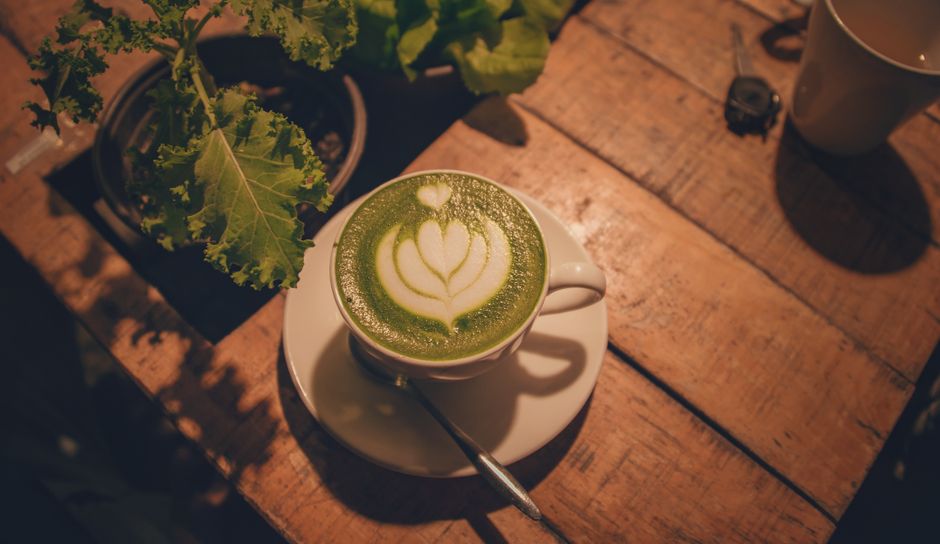
Matcha is whole leaf ground to powder, so you drink the leaf rather than an infusion. That makes it thicker, richer and higher in caffeine per cup than steeped tea. Ceremonial grades are made for drinking plain; culinary grades are cheaper and better suited to lattes and baking. Check that the only ingredient is green tea, since many supermarket tins are mostly sugar and milk powder.
Best for: A strong, creamy cup and lattes.
3. Gyokuro
Gyokuro is shaded for several weeks before picking, which raises its amino acid content and cuts the astringency. The result is a deep, savoury, almost broth-like tea with very little bitterness. It is expensive and wants cooler water and a short steep. Treat it as a weekend tea rather than a mug you refill at your desk.
Best for: Drinkers who want the sweetest, most savoury green tea available.
4. Dragon Well (Longjing)
China's best known green tea, pan-fired into flat, sword-shaped leaves. The cup is clean and nutty with a chestnut note and almost no grassiness. Genuine Longjing from Zhejiang carries a premium and is widely imitated, so buy from a specialist rather than a bargain bin. It is a good choice if Japanese greens taste too vegetal to you.
Best for: Anyone who finds grassy teas off-putting.
5. Genmaicha
Sencha or bancha blended with roasted brown rice, some of which pops like popcorn. The rice adds a toasty, savoury depth and softens the tea's edge. It is cheap, hard to over-brew and pairs unusually well with food. Caffeine is lower than straight sencha because part of the volume is rice.
Best for: Drinking with meals, and for people who dislike bitterness.
6. Hojicha
Hojicha is green tea roasted over charcoal or in a drum until the leaf turns reddish brown. Roasting drives off much of the caffeine and most of the astringency, leaving a warm, caramel-toasted cup. It brews well with boiling water, which makes it hard to get wrong. Many people drink it in the evening for that reason, though it is not caffeine-free.
Best for: Later in the day, and for anyone sensitive to bitterness.
7. Gunpowder
Leaves rolled into tight pellets that unfurl as they steep. It is bold, smoky and a little sharp, and it holds up to mint and sugar, which is why it anchors Moroccan mint tea. The rolling protects the leaf, so it keeps longer than most green teas. Use slightly cooler water and a short steep or it turns harsh.
Best for: Mint tea and strong, no-fuss brewing.
8. Jasmine Green Tea
Green tea scented with fresh jasmine blossoms, traditionally over several nights. Done properly the floral note is layered into the leaf rather than sprayed on, so check whether the label says scented with real flowers or flavoured. Rolled jasmine pearls are the higher end of the category. It is an easy tea to like and a useful gift.
Best for: Floral flavour without additives.
9. Bancha
Bancha is made from later harvests and coarser leaves, which makes it the plainest and cheapest of the Japanese greens. The cup is mild, slightly woody and low in caffeine. It is not a tea that will impress anyone, but it is genuinely pleasant and very hard to ruin. Buy it as the pot you drink without thinking about it.
Best for: Everyday volume drinking on a budget.
10. Kukicha
Kukicha is brewed from stems and stalks rather than leaf, which sounds like a downgrade and is not. It is light, faintly sweet and creamy, with noticeably less caffeine than leaf tea. It also stretches further per gram than most greens. A good option if standard green tea sits badly with you.
Best for: A light, low-caffeine cup.
Common Mistakes
- Boiling water. Most green teas want roughly 70-80C. Boiling water scalds the leaf and produces the bitterness people blame on the tea. Hojicha and gunpowder are the exceptions.
- Steeping too long. One to two minutes is usually enough for the first infusion. Good leaf will give you two or three more.
- Buying in bulk. Green tea fades within months of opening. A small bag you finish quickly beats a large tin that goes flat.
- Storing it badly. Keep it sealed, dark, cool and away from coffee and spices, which it picks up readily.
- Treating it as a health fix. Green tea contains antioxidants called catechins, and research on effects such as heart health and metabolism is ongoing rather than settled. Claims about specific outcomes, particularly from extracts and high-dose supplements, are much weaker than marketing suggests. Drink it because you like it.
This article is for general information only and is not medical advice. Speak with a qualified healthcare professional before making significant changes to your diet, exercise, or health routine.