
Most people eat far less fiber than general dietary guidance suggests, and the gap is usually closed with a handful of ordinary foods rather than a supplement. The list below ranks everyday foods by how much fiber a realistic serving actually delivers. All of them are easy to find and easy to cook.
How We Picked
- Fiber per normal serving — a cooked cup, a piece of fruit, an ounce of seeds. Not per 100g of dry weight, which flatters grains and seeds.
- Whole foods first — no fortified bars or powders, which vary too much between products.
- A mix of fiber types — soluble fiber (which forms a gel and is linked to cholesterol and blood sugar effects) and insoluble fiber (which adds bulk).
- Nutrition beyond fiber — protein, minerals or healthy fats alongside it.
- Everyday usability — foods you can add to meals you already eat.
1. Split Peas and Lentils
These top the list on fiber per serving. A cooked cup of split peas or lentils supplies roughly 15 grams, which is a large share of a day's fiber in one bowl. Both cook in under 30 minutes with no soaking, and lentils hold up well in soups, salads and grain bowls. They also bring around 16-18 grams of plant protein per cup.
Best for: the single biggest fiber gain from one ingredient.
2. Beans: Navy, Black and Kidney
Beans sit just behind split peas, at roughly 13-19 grams of fiber per cooked cup depending on the variety, with navy beans at the high end. Canned beans are nutritionally close to dried ones; rinsing them cuts a good portion of the added sodium. They work as a side, a salad base or a partial swap for meat in chili and pasta sauce.
Best for: cheap, shelf-stable fiber you can add to almost any savory meal.
3. Chia Seeds
An ounce of chia seeds — about two tablespoons — carries roughly 10 grams of fiber, most of it soluble. They absorb many times their weight in liquid, which is why they thicken overnight oats and puddings. Stir them into yogurt, smoothies or porridge rather than eating them dry, and drink fluid alongside them.
Best for: adding fiber to breakfast without changing what you eat.
4. Avocado
One medium avocado has around 10 grams of fiber, which is unusual for a fruit and often overlooked because avocado is thought of mainly as a fat source. The fiber is split between soluble and insoluble types. It also supplies potassium and monounsaturated fat. Half an avocado on toast or in a salad is a practical serving.
Best for: fiber that comes with satisfying fat, useful if meals leave you hungry.
5. Green Peas
A cooked cup of green peas provides roughly 9 grams of fiber. Frozen peas are the easy version: they keep for months, cook in minutes and lose very little nutritionally compared with fresh. They fold into pasta, rice, curries and soups without much thought, which makes them one of the lowest-effort entries here.
Best for: a freezer staple that quietly raises the fiber of meals you already make.
6. Ground Flaxseed
Two tablespoons of ground flaxseed deliver about 6-8 grams of fiber, along with plant-based omega-3 fats and lignans. Whole flaxseeds tend to pass through undigested, so buy them ground or grind them yourself. Ground flax goes stale quickly — keep it in the fridge or freezer and use it within a few weeks.
Best for: a neutral-tasting addition to oatmeal, smoothies and baked goods.
7. Raspberries and Blackberries
A cup of raspberries or blackberries holds about 8 grams of fiber, well ahead of most other fruit. The seeds and skins do much of that work. Frozen berries match fresh ones closely on fiber and cost less out of season. They are also among the lower-sugar fruits, which suits people watching total sugar intake.
Best for: the highest-fiber way to satisfy a sweet craving.
8. Artichoke
A medium cooked artichoke contains roughly 7 grams of fiber, more than almost any other vegetable per piece. Fresh artichokes take effort, but canned or frozen hearts are a reasonable shortcut and keep most of the fiber. Artichokes also contain inulin, a fermentable fiber that some people find gassy at first.
Best for: a vegetable-forward fiber boost in dips, salads and roasted sides.
9. Barley and Bulgur
Swapping white rice for barley or bulgur is one of the simplest fiber upgrades available. A cooked cup of either gives roughly 6-8 grams, compared with under 1 gram for white rice. Bulgur cooks in about 12 minutes; pearled barley takes longer but reheats well. Both have a chewy texture that works in grain salads.
Best for: an easy one-for-one substitution at dinner.
10. Oats and Oat Bran
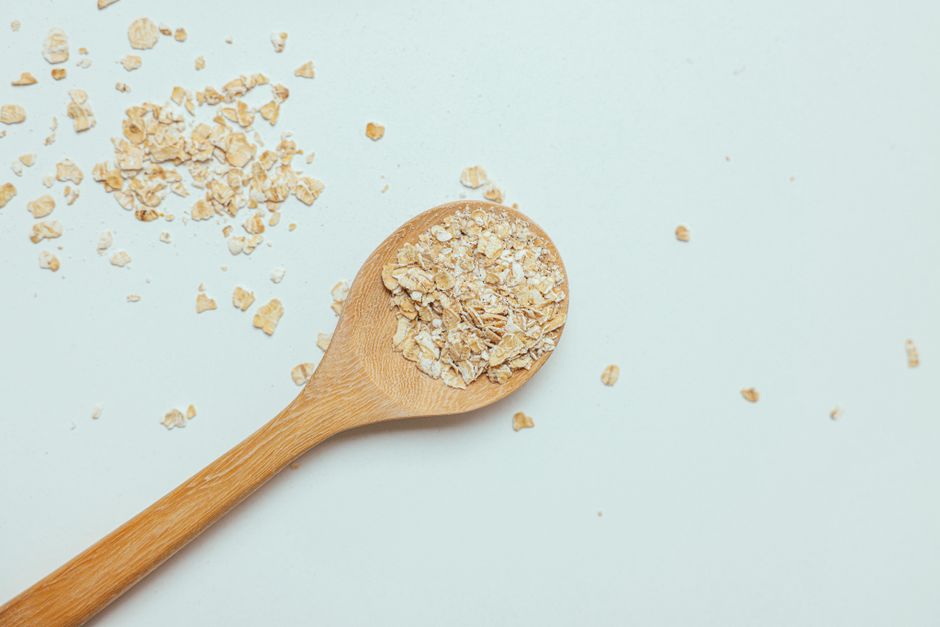
Oats finish the list less for raw quantity than for the type of fiber they carry. Beta-glucan, the soluble fiber in oats, has reasonably strong evidence behind its effect on LDL cholesterol — one of the better-supported claims in this category. Oat bran is the more concentrated option; rolled oats give around 4 grams per half-cup dry. Steel-cut, rolled and instant oats differ mainly in texture and cooking time, not fiber.
Best for: soluble fiber at breakfast, with cholesterol evidence behind it.
Common Mistakes to Avoid
- Going from low to high overnight. A sudden jump often causes bloating and gas. Raising intake over a couple of weeks is easier on most people.
- Forgetting fluid. Fiber, especially the soluble kind, works with water. Adding chia or psyllium without drinking more can make things worse rather than better.
- Trusting "high fiber" labels. Many packaged products count isolated fibers added during manufacturing, which may not behave like fiber from whole foods. Check the actual grams per serving.
- Peeling everything. A good portion of the fiber in apples, pears, potatoes and cucumbers sits in the skin.
- Relying on a supplement instead of food. Fiber supplements have their place, but whole foods bring protein, minerals and a wider mix of fiber types along with them.
If you have a digestive condition or take medication that fiber can interfere with, changes in intake are worth discussing with a clinician first — that is where general guidance stops being useful.
This article is for general information only and is not medical advice. Speak with a qualified healthcare professional before making significant changes to your diet, exercise, or health routine.