
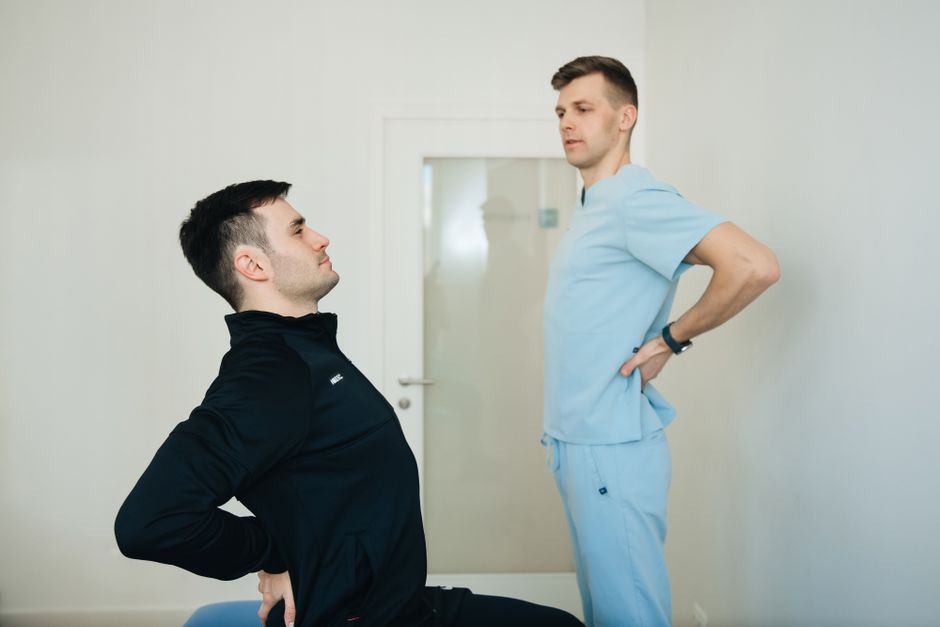
Posture correctors are everywhere, and the claims around them are bigger than the evidence. Most of them work as a reminder, not a fix: they cue you to pull your shoulders back, and the real change comes from the strength and habits you build while wearing one. Below are ten types worth knowing, ranked by how useful they tend to be for everyday desk and lifestyle posture.
We have grouped these by category rather than brand. Models change constantly, and the type you choose matters far more than the label on the box.
What to Look For
- Adjustability. Straps should be tunable without help from another person, and should stay put once set.
- Padding at pressure points. Underarms and collarbones take the load on most designs. Thin webbing digs in fast.
- Breathability. If it is hot and itchy under a shirt, it ends up in a drawer by week two.
- Wearability under clothes. Bulk is the main reason people stop using these at work.
- A cue, not a crutch. Look for something you can wear in short sessions while you build the habit, rather than something you lean on all day.
1. Clavicle Brace (Figure-8 Strap)
The classic design: two loops over the shoulders joined in a figure eight across the upper back. It is cheap, light and almost invisible under a jumper. The trade-off is pressure under the arms, so padded versions are usually worth the small extra cost. Evidence that it changes posture long term is thin, but as a short-session reminder it does the job.
Best for: First-time users who want the simplest possible shoulder cue.
2. Posture Shirt or Compression Top
These use panels of elastic fabric to gently pull the shoulders back, rather than straps. They are far more comfortable for long wear and disappear completely under clothing. They give a softer cue than a brace, which some people find too subtle. Sizing is critical here, so check the chart rather than guessing.
Best for: All-day wear in an office, or anyone who found straps uncomfortable.
3. Full Back Brace with Lumbar Support
A wider design that wraps the lower back as well as the shoulders. The lumbar panel supports the whole chain rather than just the upper back, which some people find more natural. It is the bulkiest option and usually visible under a fitted shirt. Keep sessions short, since prolonged bracing can let supporting muscles do less work.
Best for: People whose slouch starts at the lower back, not the shoulders.
4. Cross-Back Shoulder Harness
A step up from the figure-8, with a wider back panel, padded straps and usually a front or side buckle. The adjustment is easier to fine-tune, and the load spreads across more of the back. It costs more and takes longer to put on. For regular use, the comfort difference over a basic strap is noticeable.
Best for: Daily users who want something they will actually keep wearing.
5. Wearable Posture Trainer (Vibration Sensor)
A small sensor that sticks to your upper back or clips to a shirt and buzzes when you slump. Nothing is pulling on you, so it trains attention rather than holding you in place. That makes it a better fit for building a habit, though it needs charging and a phone app. Some people find the buzzing distracting in meetings.
Best for: Desk workers who want feedback without wearing a brace.
6. Lumbar Support Cushion
Not worn at all, which is the point. A shaped cushion fills the gap between your lower back and the chair, making an upright position the easy one. It only works where you put it, so it suits a fixed desk or a car seat. Pair it with a chair set at the right height and it does more than most wearables.
Best for: Long seated hours at one desk or behind the wheel.
7. Kinesiology Tape
Strips of stretchy tape applied along the upper back to give a light tug when you round forward. It is cheap, invisible under clothes and completely unrestrictive. Application takes practice and the tape needs replacing every few days. Research on tape and posture is mixed, so treat it as a gentle cue rather than a treatment.
Best for: Short-term use during a busy week, or anyone who dislikes wearing hardware.
8. Posture-Supportive Bra or Undergarment
Bras and vests built with a wider back panel and crossed straps to distribute weight and discourage rounding. For many people this is simply a more practical daily option than adding a brace on top. Support varies widely between designs, so a proper fitting matters more than the posture claim. Comfort is the main selling point rather than dramatic correction.
Best for: Anyone who wants posture support built into what they already wear.
9. Standing Desk Converter or Monitor Riser
Changing the desk often beats changing the body. Raising a screen to eye level removes the forward head position that drives most desk slouching. A converter that lets you alternate sitting and standing adds movement through the day, which matters more than any single posture. It is the priciest item here, but it fixes the cause rather than the symptom.
Best for: Anyone whose posture problem is really a workstation problem.
10. Resistance Band Posture Trainer
A light band used for rows, pull-aparts and external rotations, sometimes sold as a posture kit. This is the only item on the list that builds the strength posture actually depends on. It takes effort and consistency, which is why it sits last on convenience and first on long-term value. A few minutes most days is enough to notice a difference.
Best for: People willing to put in ten minutes a day rather than buy a quick fix.
Common Mistakes
- Wearing it all day from day one. Most guidance suggests starting with short sessions and building up, so your own muscles keep working.
- Buying on strap count. More straps does not mean more support. Fit and padding decide whether you keep wearing it.
- Over-tightening. A corrector that pulls hard enough to ache is too tight, and pins and needles in the arms is a sign to loosen it immediately.
- Expecting permanent change from the device alone. The evidence here is limited. Correctors cue posture; strength work and workstation setup are what hold it.
- Ignoring pain. Posture gear is for comfort and awareness. Persistent or worsening back, neck or shoulder pain is a reason to see a professional, not to strap on something tighter.
This article is for general information only and is not medical advice. Speak with a qualified healthcare professional before making significant changes to your diet, exercise, or health routine.